


Bill 227 Explained: What Ontario Landlords Need to Know About New Housing Rules (And How to Cash In)
If you're a landlord in Ontario, December 4, 2024, was a game-changer for your business. That's when Bill 227, officially called the "Cutting Red Tape, Building Ontario Act, 2024," received Royal Assent and became law. This isn't just another bureaucratic shuffle: it's a complete overhaul of how the Landlord and Tenant Board (LTB) operates, and it puts some serious new tools in your toolbox.
The best part? Most landlords don't even know these changes exist yet. While your competition is still dealing with the old system's headaches, you can get ahead by understanding exactly how to leverage these new rules to protect your investment and streamline your property maintenance operations.
What Bill 227 Actually Does (The Stuff That Matters)
Let's cut through the legal jargon and focus on what actually changes for you as a property owner. Bill 227 introduces four major shifts that directly impact how you handle tenant disputes, collect rent, and manage your properties.

Credit Bureau Reporting: Your New Secret Weapon
Here's the big one that changes everything: LTB orders can now be shared with credit bureaus. When a tenant gets hit with a non-payment order or eviction ruling, it goes straight onto their credit report. This isn't just about punishment: it's about creating real consequences that actually matter to tenants.
Think about it: before Bill 227, a tenant could skip out on rent, get evicted, and then move to another property with a clean slate. Now? That eviction follows them everywhere they go. Credit card applications, car loans, future rental applications: it all gets flagged.
For you as a landlord, this means two things. First, tenants are way more likely to take payment seriously when they know it'll hit their credit score. Second, you get better screening tools when evaluating new applicants. You can now spot tenants with histories of non-payment orders before they become your problem.
The End of Technical Rejections
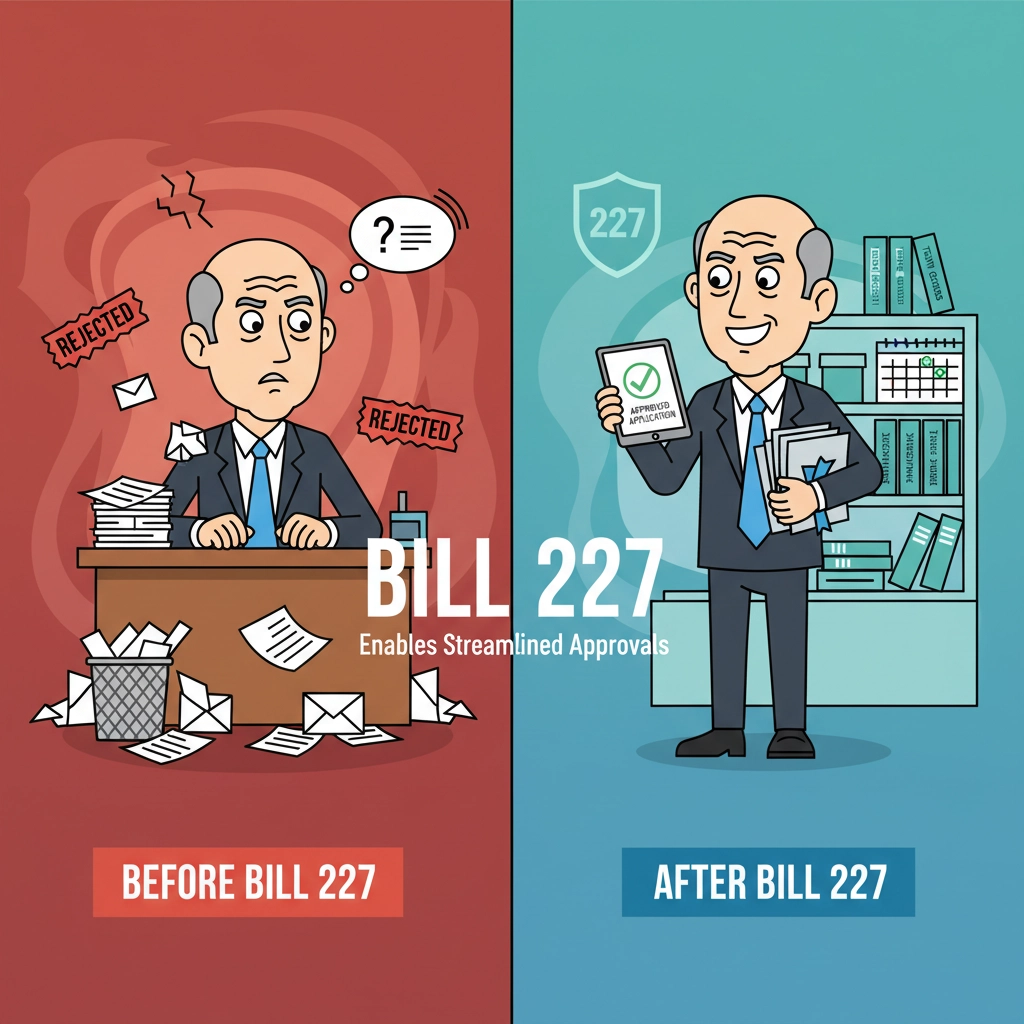
Remember getting your LTB application tossed because you filled out form N12 instead of N11, or because you wrote "January 1st" instead of "January 1"? Those days are over.
Bill 227 empowers the LTB to overlook minor procedural errors as long as they don't prevent understanding of your application. The Board can now focus on the substance of your case rather than nitpicking administrative details that have nothing to do with whether you're right or wrong.
This change alone will save you hundreds of dollars in legal fees and weeks of delays. No more having to restart the entire process because of a typo or using the wrong checkbox.
How Smart Landlords Are Already Cashing In
The landlords who understand these changes aren't just adapting: they're turning Bill 227 into a competitive advantage. Here's how they're doing it:

Upgraded Tenant Screening Process
With credit bureau reporting now in play, smart landlords are updating their screening criteria. They're not just looking at credit scores anymore: they're specifically checking for LTB orders and payment-related judgments. This lets them identify problem tenants before signing leases.
Some property maintenance companies are already offering enhanced tenant screening services that include LTB order searches. If you're still using basic credit checks, you're missing crucial information that could save you thousands in lost rent and legal fees.
Streamlined Eviction Procedures
The reduced technical barriers mean you can file eviction applications with confidence, knowing that minor errors won't derail your case. This is particularly valuable for landlords who handle their own legal work instead of hiring expensive attorneys for routine matters.
Property maintenance done right means having systems in place to document everything properly from day one. With Bill 227's flexibility on minor errors, your documentation doesn't need to be perfect: it just needs to be clear and complete.
Above-Guideline Increase Applications
While AGI applications still require approval, the streamlined process means fewer rejections based on technical issues. You still need proper documentation (proof of completed work, third-party inspection reports, detailed cost breakdowns), but minor filing errors won't automatically kill your application.

This is especially important for landlords investing in major property upgrades. You can pursue legitimate cost recovery through rent increases without worrying that a small mistake in your paperwork will cost you months of delays and legal fees.
The Continuity Fix That Nobody's Talking About
One of Bill 227's under-the-radar improvements addresses a problem that's been driving landlords crazy for years: adjudicator turnover. When an adjudicator left before completing a hearing, cases would get stuck in limbo for months.
Now the LTB can appoint a new adjudicator to step in and complete the case. This might seem like a small change, but it eliminates one of the most frustrating delays in the system. Your cases move forward instead of restarting from scratch every time there's staff turnover.
What This Means for Your Bottom Line
Let's talk numbers. The average eviction process in Ontario used to take 6-8 months and cost $2,000-$4,000 in lost rent and legal fees. With Bill 227's streamlined procedures, you're looking at potentially 30% faster resolution times and significantly lower legal costs.
The credit bureau reporting creates even bigger savings. When tenants know that skipping rent will trash their credit score, payment compliance improves dramatically. Some early adopters are reporting 15-20% fewer late payments since word about the credit reporting started getting around.
For larger landlords with multiple properties, these improvements compound quickly. Faster evictions, better tenant screening, and improved payment compliance can add up to tens of thousands in annual savings.
Action Steps for Ontario Landlords
Don't wait for your competition to catch up. Here's how to start leveraging Bill 227 immediately:
Update Your Screening Process: Add LTB order searches to your tenant screening criteria. Many credit reporting agencies are already offering this service as an add-on to standard credit checks.
Review Your Documentation Systems: While Bill 227 is more forgiving of minor errors, proper property maintenance still requires good record-keeping. Make sure you're documenting maintenance requests, rent payments, and tenant communications consistently.
Consider Professional Support: If you're handling property maintenance yourself, consider whether professional services might be worth it now that the legal process is more streamlined. Sometimes paying for expert help saves more than doing it yourself.
Plan Your AGI Applications Strategically: With reduced technical barriers, this might be the perfect time to pursue above-guideline increases for legitimate capital improvements you've been putting off.
The Long-Term Advantage
Bill 227 isn't just about making things easier: it's about creating a more professional rental market in Ontario. The credit bureau reporting and streamlined procedures benefit landlords who operate professionally while making things harder for both problematic tenants and sloppy property owners.

This shift toward accountability benefits everyone who's doing property maintenance the right way. If you're already documenting properly, screening thoroughly, and following proper procedures, Bill 227 gives you better tools to protect your investment. If you've been cutting corners, now's the time to upgrade your systems.
The landlords who understand and implement these changes first will have a significant advantage in the Ontario rental market. While others are still dealing with old inefficiencies, you'll be operating with better tools, faster resolution times, and stronger tenant accountability.
Bill 227 represents the biggest improvement to Ontario's rental housing system in years. The question isn't whether these changes will help your business: it's whether you'll implement them before your competition figures them out.
Comments